In the competitive landscape of modern aviation, the difference between a struggling flight school and a thriving one often comes down to one factor: operational efficiency. Investing in a flight simulator certified is no longer just a technical requirement—it is a strategic move to maximize flight school profitability.
By understanding how certified flight simulators translate training hours into valuable simulator training credits, operators can transform their business model while ensuring the highest safety standards and regulatory compliance.
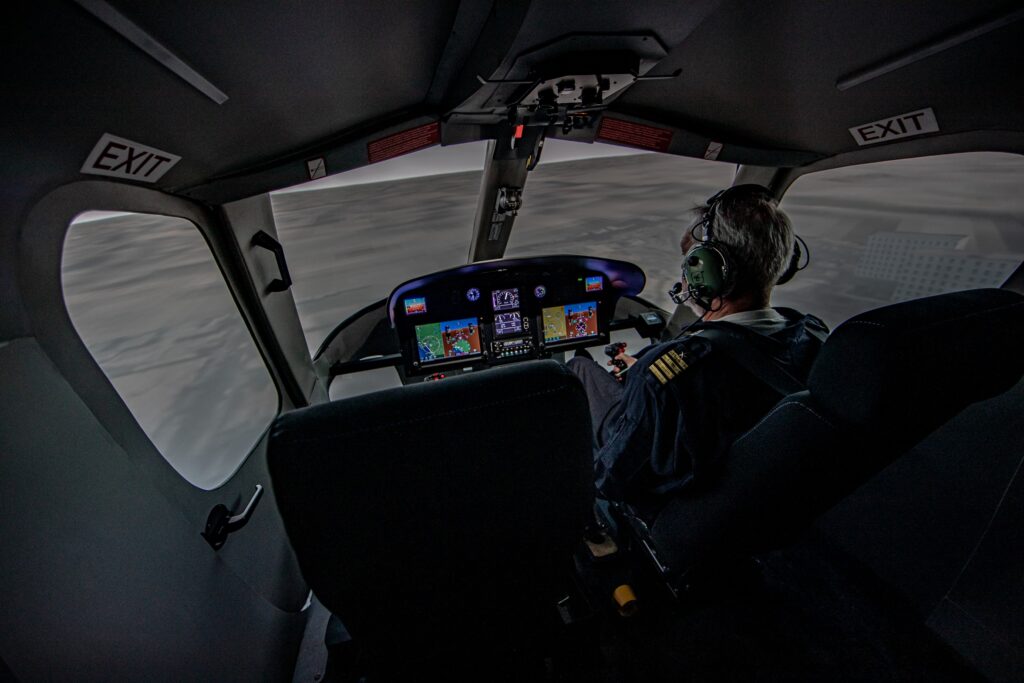
Why Flight Simulators drive profit for your flight school
Integrating advanced simulation into your syllabus does more than improve training; it optimizes your entire financial structure.
1: Lower hourly costs vs. Aircraft
The direct operating cost (DOC) of a flight simulator is significantly lower than that of a physical aircraft. While an aircraft involves fuel, landing fees, and expensive insurance, a simulator only requires electricity and minimal maintenance, allowing for higher profit margins per student hour.
2: Reduced maintenance and aircraft downtime
Every hour logged in a simulator is an hour saved on the airframe, engine, and avionics of your fleet. This extends the lifespan of your assets and ensures your planes or helicopters are available for the flight phases where they are strictly necessary. Furthermore, every hour spent in the simulator is an hour gained in operational availability, keeping your aircraft ready for revenue-generating missions or essential services instead of being tied up in training flights.
3. Faster course completion and student demand
Student demand for faster, cheaper training paths is at an all-time high. Simulators allow for “all-weather” training and 24/7 operations, unaffected by meteorological conditions or Air Traffic Control delays, ensuring students graduate on schedule.
4: Enhanced training security
Simulators provide a controlled environment to practice emergency procedures—such as engine failures, hydraulic loss, or severe weather encounters—that would be too risky to perform in a real aircraft. This builds superior muscle memory and decision-making skills in a zero-risk setting.

Differences and similarities between CAA regulations
Navigating the regulatory landscape of Civil Aviation Authorities (CAA) is essential to understanding how many hours your students can actually log toward their licenses.
1: Certification levels: EASA vs. FAA
The most common pitfall in simulator acquisition is choosing a certification level based on prestige rather than the specific training needs of your syllabus. The key to a high ROI is selecting a level that matches your training goals, but you must be aware that these levels differ fundamentally from one regulation to another.
What is recognized in one territory may not even exist in another, even if the hardware looks identical.
For example, while both categories are used for ab-initio training, they belong to different regulatory worlds and differ in many aspects:
- FAA AATD (Advanced Aviation Training Device): this is a cornerstone of basic and initial training in the FAA regulation. It allows students to log significant hours toward an Instrument Rating at a very low cost. However, the FNPT category does not exist under FAA regulations.
- EASA FNPT (Flight Navigation and Procedures Trainer): in Europe and EASA-compliant regions, the FNPT is the standard for initial training. Conversely, you will not find an “AATD” in the EASA Part-FCL rulebook.
Key Insight: The two pillars of certification are the level of realism (hardware/software fidelity) and the QTG (Qualification Test Guide), which requires extensive flight data to prove the simulator behaves exactly like the real aircraft.
2: The reality of flight credits
Flight credits are the specific number of hours a CAA allows a student to log in a simulator toward a license (PPL, CPL, IR) or rating. However, because categories like AATD and FNPT are regional, each CAA makes its own interpretation of how many hours can be “credited” based on:
- Regional Regulatory Framework: a device must be certified under the local authority’s specific definitions.
- The Specific Type of Training: credits vary depending on whether there is a student in an Ab-initio phase or a pilot performing recurring checks.
- Cockpit Fidelity: if the simulator reflects the exact aircraft configuration (switches, panels, and avionics layout), it typically unlocks a higher “cap” of loggable hours compared to generic trainers.
Understanding these technicalities is the difference between a simulator that is just a “trainer” and one that is a revenue-generating asset for your flight school.
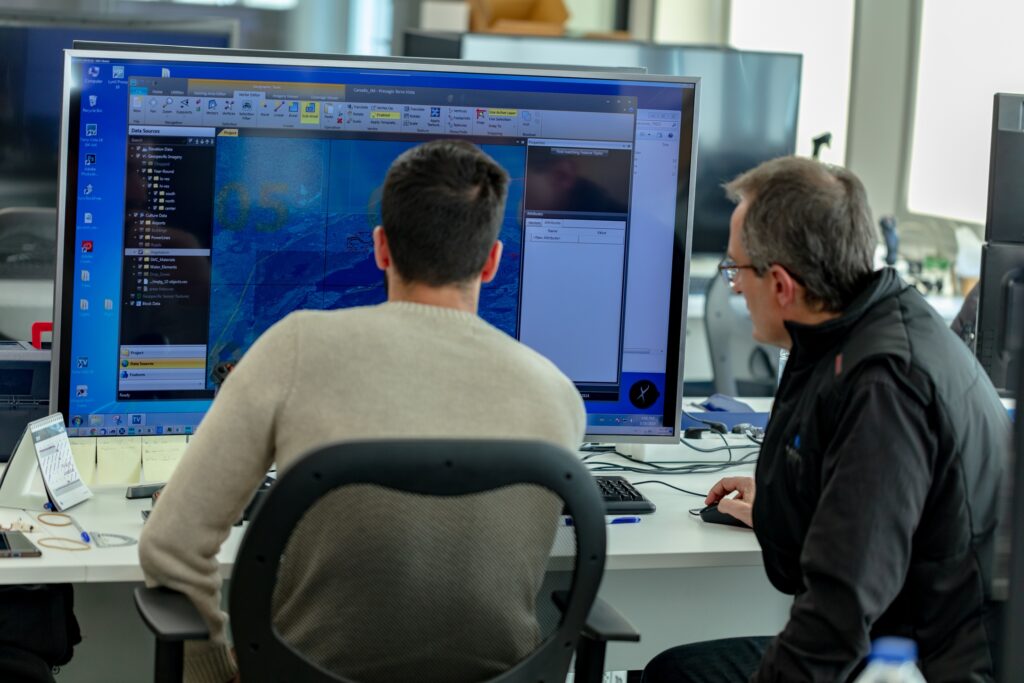
How to maximize training credits per simulator
To determine the exact ROI of a device, you must calculate the maximum credits applicable to your specific syllabus. At Entrol, we recommend a four-step analysis:
- Analyze the training goal: clearly define the specific objectives of your curriculum. Identify if your primary need is ab initio training, Instrument Rating (IR) proficiency, or Multi-Crew Cooperation (MCC) courses. You may also need a device specifically for emergency procedures, mission rehearsal, or as a bridge to a Type Rating.
- Review relevant regulations: consult EASA Part-FCL or FAA Part 61/141 to identify the “caps” or limits of hours allowed for each specific rating.
- Evaluate simulator accessibility and external FFS availability: analyze the regional availability of external Full Flight Simulators (FFS) that you might need to incorporate into your training.
Engage in a conversation with the CAA: regulatory bodies evaluate how the rules apply to your specific case. They decide on a case-by-case basis whether to accept your training program based on your operational context and the simulator’s performance.
Expert guidance on international training credits
Understanding technicalities shouldn’t be a barrier to your growth, but a tool for success. At entrol, we specialize in developing devices that bridge the gap between regulatory requirements and operational excellence.
To help you navigate these complexities, we have prepared two essential guides that you can download directly:
At Entrol, we specialize in developing EASA and FAA-certified devices that bridge the gap between regulatory requirements and operational excellence. If you are looking to optimize your syllabus and maximize your school’s profitability, our team is ready to help you identify the best simulator for your needs.